


Table of Contents
- Understanding Severe Period Pain and Your Options
- Heat Therapy for Menstrual Cramps: Why It Works and How to Use It
- Home Remedies for Period Cramps: Practical Techniques to Try
- Herbal Remedies for Menstrual Cramps: Evidence and Safety
- Anti-Inflammatory Foods and Hydration
- When to Seek Help for Severe Period Pain: Red Flags and Next Steps
- Your Step-by-Step Plan for Managing Period Pain Naturally
- Frequently Asked Questions
Last Updated: October 10, 2026
Understanding Severe Period Pain and Your Options
Severe period pain, or dysmenorrhea, affects many people and can disrupt daily life. Natural remedies for severe period pain offer real relief without relying solely on over-the-counter medications.
Natural remedies for severe period pain include heat therapy, movement, massage, herbal support, and dietary changes. The most effective approach combines two or three of these methods tailored to your cycle and symptoms.
Heat Therapy for Menstrual Cramps: Why It Works and How to Use It
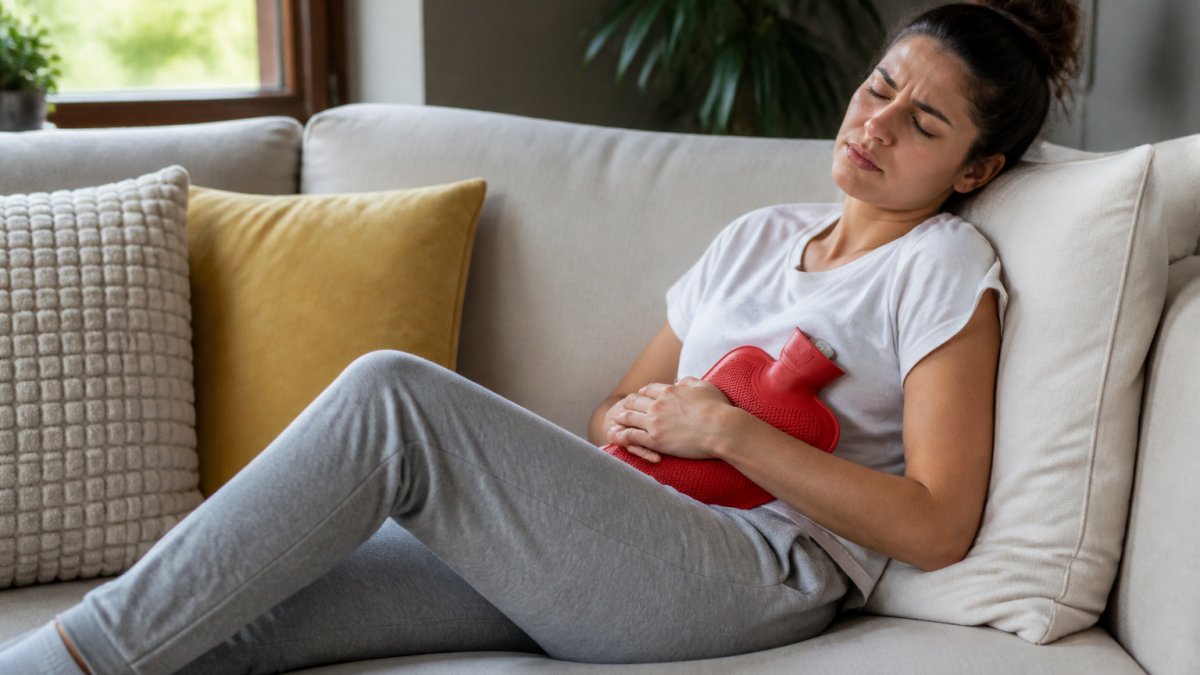
Heat reduces muscle tension and increases blood flow to the uterus, easing menstrual cramps quickly. Most people feel relief within 15-20 minutes of applying warmth.
Heat works by relaxing contracting uterine muscles and restoring blood flow, which reduces the cramping sensation.
How to use heat therapy:
- Apply a heat pack or hot-water bottle to your lower abdomen or lower back for 15-20 minutes
- Repeat every few hours as needed during your period
- Keep the temperature comfortable, not so hot it burns your skin
You can use reusable heat packs, microwaveable wheat bags, or a warm shower. The key is maintaining warmth throughout the day when pain is worst.
Home Remedies for Period Cramps: Practical Techniques to Try
Beyond heat, several hands-on techniques provide relief during your period. These work best when combined and used consistently from the first day of your cycle.
Gentle Movement and Stretching
Gentle movement reduces period pain by releasing endorphins and improving circulation.
Best movements for menstrual cramps:
- Walking for 10-15 minutes
- Gentle yoga, especially child's pose and cat-cow stretches
- Swimming or water aerobics
Hold each stretch for 20-30 seconds and repeat 2-3 times daily, especially before pain peaks.
Abdominal and Lower Back Massage
Massage releases tension in muscles surrounding your uterus using firm but gentle circular motions.
How to massage:
- Lie on your back with knees bent
- Use both hands to massage your lower abdomen in slow circles, moving clockwise
- Apply pressure gradually, increasing as comfortable
Acupressure and TENS Therapy
Acupressure activates specific points that traditionally support menstrual health. TENS (transcutaneous electrical nerve stimulation) uses mild electrical pulses to block pain signals.
Acupressure points for period pain:
- Spleen 6 (inside leg, four finger-widths above ankle bone)
- Liver 3 (top of foot, between big and second toe)
- Apply steady pressure for 1-2 minutes, several times daily
TENS devices are available over-the-counter and worn on your skin. They're particularly helpful for lower back pain during your period.
Herbal Remedies for Menstrual Cramps: Evidence and Safety
Herbal remedies for menstrual cramps address inflammation at the root. The most studied botanicals include ginger, peppermint, and traditional uterine tonics. Understanding evidence strength and safety boundaries is essential.
Ginger and Peppermint Tea
Ginger powder (500-1000 mg daily) reduces pain severity comparably to ibuprofen in some trials (pubmed.ncbi.nlm.nih.gov). Peppermint tea has shown modest benefit for cramping and nausea.
How to use:
- Steep 1-2 teaspoons of fresh ginger in hot water for 10 minutes, drink 2-3 times daily
- Brew peppermint tea the same way, or combine both
- Start drinking 3-5 days before your period begins
Safety and contraindications:
- Both are safe for most people when used as tea
- Ginger may increase bleeding risk if you take anticoagulants or antiplatelet drugs, consult your GP before regular use
- Peppermint may worsen reflux in susceptible people
Magnesium and Vitamin B1
Magnesium (300-400 mg daily) reduces pain by 20-30% in many people; vitamin B1 (100 mg daily) has shown similar modest benefit in clinical trials.
How to use:
- Magnesium glycinate or citrate: 300-400 mg daily, starting 3-5 days before your period
- Vitamin B1: 100 mg daily, taken consistently throughout your cycle
- Both are best taken with food
Safety and contraindications:
- Magnesium can cause loose stools at higher doses; start at 300 mg and increase gradually
- If you have kidney disease, consult your GP before supplementing magnesium
- Magnesium may interact with certain antibiotics and bisphosphonates, take supplements 2 hours apart
- Vitamin B1 is water-soluble and non-toxic at typical doses
Medicinal Botanicals: Evidence and Cautions
Certain plant extracts have traditional use for menstrual support, though clinical evidence is limited. Common options include cramp bark, red clover, and shatavari, typically used in herbal formulas.
Common supportive botanicals:
- Cramp bark: traditionally used for uterine cramping with long historical use
- Red clover: contains isoflavones; evidence for period pain is weak
- Shatavari: traditional Ayurvedic uterine tonic with limited clinical trials
Safety and contraindications for herbal formulas:
Menstrua Botanica™ 40 Capsules →
- Check the full ingredient list for interactions
- Red clover and phytoestrogen-rich herbs may interact with hormonal contraceptives, discuss with your GP
- Cramp bark may increase bleeding risk in people on anticoagulants
- Avoid high-dose phytoestrogen herbs if you have a history of hormone-sensitive conditions
Realistic Expectations and Evidence Grading
Evidence grading:
- Strong evidence: Heat therapy, gentle movement, and magnesium
- Moderate evidence: Ginger and vitamin B1 (smaller effect than NSAIDs for acute pain)
- Weak or traditional evidence: Cramp bark, red clover, and shatavari
Natural remedies work best for mild to moderate pain or as preventive support. For severe period pain, combine herbal remedies with heat, movement, and medical evaluation to rule out endometriosis or fibroids.
Anti-Inflammatory Foods and Hydration
Anti-inflammatory foods reduce prostaglandins that trigger cramping.
Foods to prioritise:
- Fatty fish rich in omega-3s (salmon, sardines, mackerel)
- Leafy greens (spinach, kale, chard)
- Berries and other antioxidant fruits
- Whole grains and legumes
Foods to limit:
- Processed foods and refined sugar
- Excess caffeine (can worsen cramping)
- Red meat high in arachidonic acid
- Trans fats and fried foods
Drink 2-3 litres of water daily, increasing slightly during your period. Herbal teas provide hydration and anti-inflammatory support; avoid excessive caffeine, which can worsen cramping.
When to Seek Help for Severe Period Pain: Red Flags and Next Steps
Most period pain improves with home remedies and lifestyle changes. However, severe period pain can signal an underlying condition requiring medical diagnosis and treatment.
Primary vs. Secondary Dysmenorrhea: What's the Difference?
Primary dysmenorrhea is period pain without an underlying structural cause. It typically begins in the teenage years and often improves with age or after childbirth.
Secondary dysmenorrhea is severe pain caused by an underlying condition, often beginning after age 25-30 or worsening significantly. It does not respond reliably to over-the-counter pain relief or natural remedies alone and requires medical diagnosis.
Common conditions causing secondary dysmenorrhea:
- Endometriosis: tissue similar to the uterine lining grows outside the uterus, affecting 10-15% of menstruating people
- Uterine fibroids: benign growths causing heavy bleeding and severe cramping
- Adenomyosis: uterine lining grows into the muscle layer, causing progressive pain
- Pelvic inflammatory disease (PID): infection requiring antibiotic treatment
Red Flags: When to Book a GP Appointment
Seek medical advice promptly if:
- Pain is severe enough to prevent daily activities (work, school, social life) despite home remedies and over-the-counter pain relief
- Pain has worsened significantly compared to your usual pattern, or your pain profile has changed (e.g., new sharp pain, pain on one side, pain outside your period)
- You experience heavy bleeding alongside severe cramps (soaking through a pad or tampon every 1-2 hours)
- Pain occurs outside your menstrual period (between periods, during ovulation, or during intercourse)
What to Expect at Your GP Appointment
Your GP will take a detailed pain history and may perform a pelvic examination and pelvic ultrasound to detect fibroids, adenomyosis, and sometimes endometriosis (though endometriosis diagnosis often requires laparoscopy).
Treatment options may include hormonal contraceptives, higher-dose NSAIDs, or referral to a gynaecologist for specialist assessment and surgical options.
A Practical Escalation Framework
Use this framework to decide when natural remedies are sufficient and when medical evaluation is needed:
Cycle 1-2: Try natural remedies consistently
- Apply heat therapy daily (15-20 minutes, multiple times)
- Perform gentle stretching and movement
- Drink herbal teas (ginger, peppermint)
- Take magnesium or vitamin B1 if starting supplementation
Cycle 3: Assess and adjust
- If pain has improved by 30-50% and you can manage daily activities, continue for 1-2 more cycles
- If pain is unchanged or worsening, or if you have red flags, book a GP appointment
Ongoing: Combine natural remedies with medical care
- Natural remedies can complement prescribed treatment
- Never stop prescribed medication in favour of natural remedies alone without discussing with your healthcare provider
Your Step-by-Step Plan for Managing Period Pain Naturally
Start this plan 3-5 days before your period begins for best results.
| Day | Action | Duration |
|---|---|---|
| Day 1-2 (before period) | Begin heat therapy, start herbal tea, increase water intake | 15-20 min heat, 2-3 cups tea |
| Day 1-3 (period starts) | Add gentle stretching, apply heat pack, massage abdomen | 10-15 min stretching, 5-10 min massage |
| Day 2-5 (heavy flow) | Continue all above, add acupressure, eat anti-inflammatory foods | 2-3 cycles to see full benefit |
| Throughout cycle | Take herbal support daily, maintain anti-inflammatory diet | Ongoing |
Most people see noticeable improvement within 2-3 menstrual cycles of consistent practice. Track which techniques work best for your body, everyone's pain pattern is different.
If pain persists despite this plan, consult your healthcare provider to rule out underlying conditions. Natural remedies work best alongside professional medical guidance when needed.
Managing natural remedies for severe period pain doesn't mean suffering through each cycle. For those seeking a comprehensive botanical approach, Menstrua Botanica™ from Period Science combines seven high-potency plant extracts specifically formulated to relieve inflammation and reduce period pain.

Frequently Asked Questions
What natural remedies work best for severe period pain?
Heat therapy, gentle movement, and herbal support are among the most effective natural approaches. Heat packs applied to the lower abdomen or back reduce muscle tension within minutes. Herbal remedies like ginger and peppermint tea have shown measurable effects on menstrual cramps. Magnesium and omega-3 supplements support inflammation reduction. The most effective strategy combines several methods tailored to your symptoms rather than relying on a single remedy. Results vary by individual, so tracking what works for you over two to three cycles helps identify your most effective combination.
How long does it take for herbal remedies for menstrual cramps to work?
Heat therapy and massage provide relief within 15-30 minutes. Herbal teas like ginger or peppermint work similarly fast. However, botanical supplements designed for cycle support work best when taken consistently throughout your cycle, not just during your period. Most people notice improvements in pain intensity and cycle regularity after two to three months of daily use. If you need immediate relief during your period, combine fast-acting methods like heat with longer-term botanical support for sustained results over time.
When should I see a doctor about severe period pain?
Seek medical assessment if your pain is significantly worse than usual, worsens over time, doesn't improve with heat or over-the-counter relief, is accompanied by heavy bleeding, causes fainting or severe nausea, or interferes with daily activities. These symptoms may indicate conditions like endometriosis or fibroids that require professional evaluation. Additionally, if you're taking medications or supplements, discuss any new remedies with your healthcare provider to check for interactions. Severe pain that develops suddenly or changes in character warrants prompt medical attention.
Can I use natural remedies alongside my contraceptive pill or other medications?
Many natural remedies are safe with hormonal contraceptives, but interactions are possible with some herbal supplements. Ginger, peppermint tea, and heat therapy have no known interactions with the pill. However, high-dose supplements like magnesium or certain botanicals may interact with medications or affect absorption. Always inform your healthcare provider about any herbal remedies or supplements you're considering, especially if you take hormonal contraceptives, blood thinners, or other regular medications. They can advise whether specific remedies are suitable for your individual situation.


